Respecter votre vie privée est notre priorité, vous acceptez l'utilisation de Cookies destinés à vous offrir une expérience utilisateur de qualité grâce à des contenus et publicités à vos besoins en immigration et intégration. / Protecting your privacy is our top priority. By using cookies, we can provide you with a better user experience through personalized content that meets your specific immigration and integration needs.
Ce site Internet ne collecte que des cookies essentiels pour assurer son bon fonctionnement. / This website only gathers essential cookies to ensure its proper functioning.
Between Foundations and Fundamentals, the CSAI Everything begins with a look. A look directed toward the other, toward the one who arrives, empty-handed and with hope in their heart.
The First Breath – 1923-1947
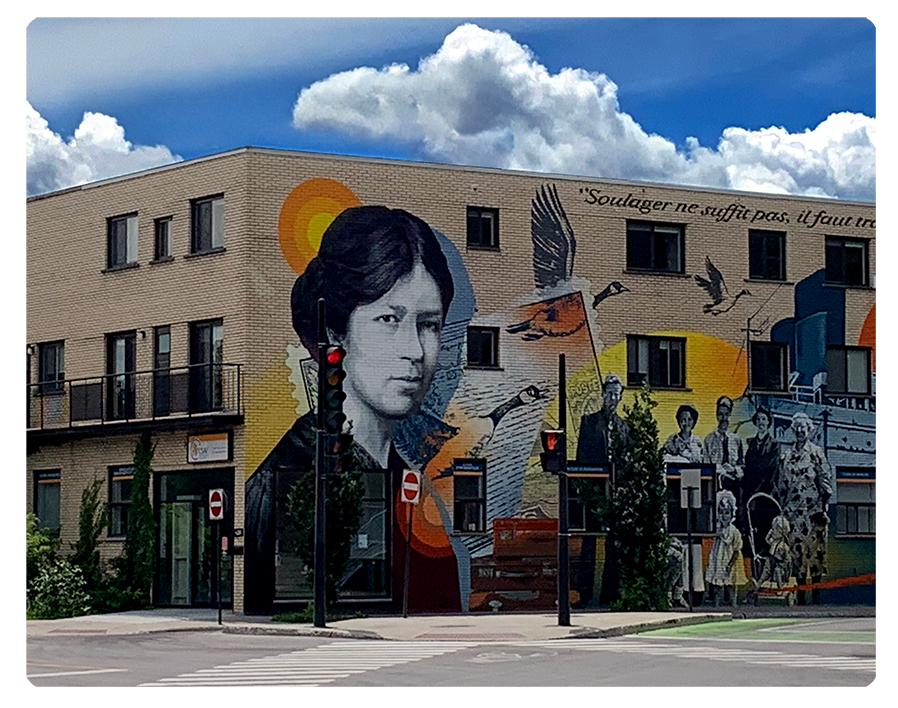
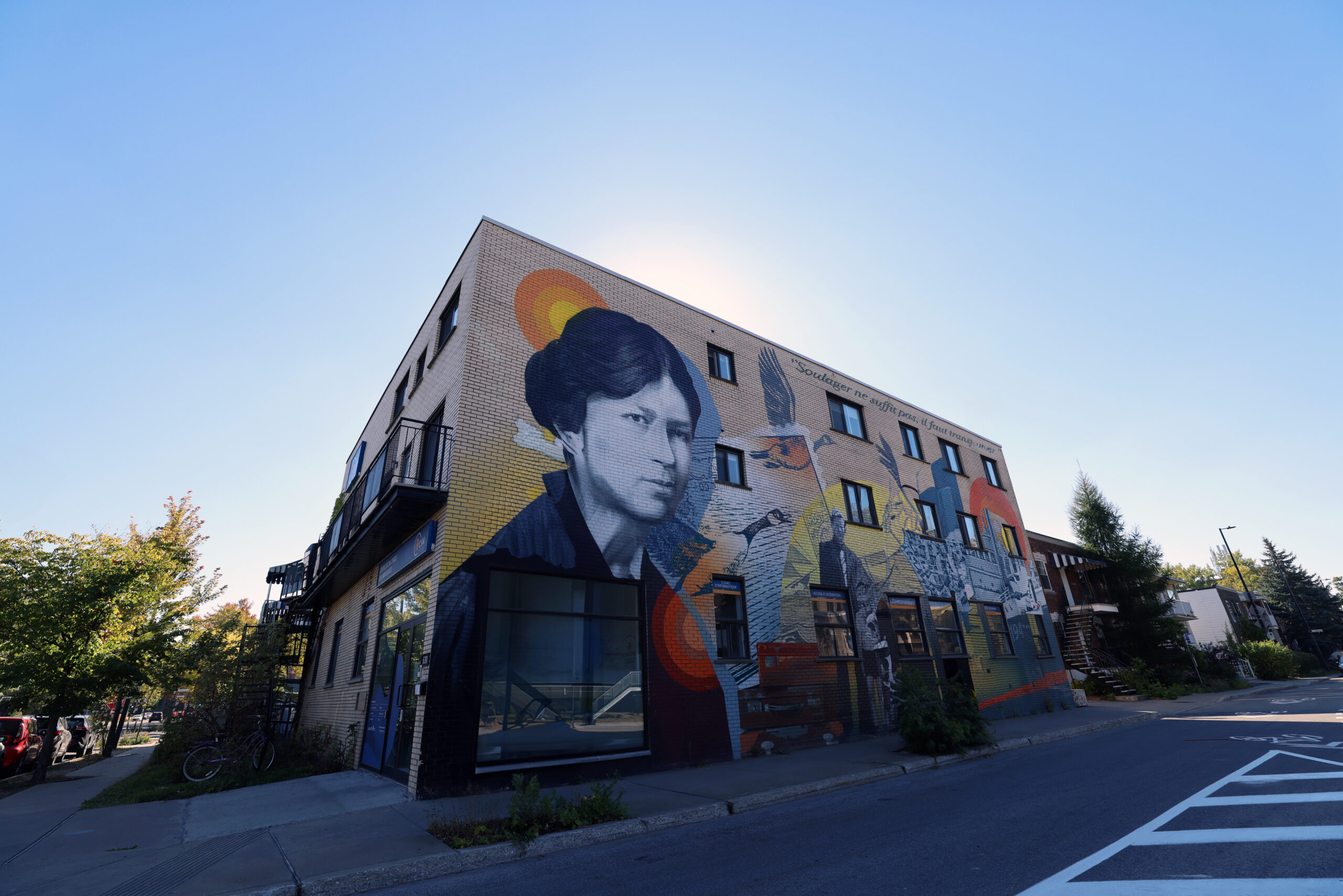
The history of the CSAI is rooted in the courage and bravery of a visionary woman. In 1923, Marie Gérin-Lajoie was only 33 years old, yet she already carried within her a deep conviction: “In times like ours, to relieve or improve is no longer enough; we must transform.”
Marie Gérin-Lajoie stood against the inequalities of her era and founded the Institut Notre-Dame du Bon-Conseil. Three words burned within her like an inner flame: human dignity, social justice, social transformation. Around these foundations, she built an unprecedented project devoted to social action and the emancipation of women.
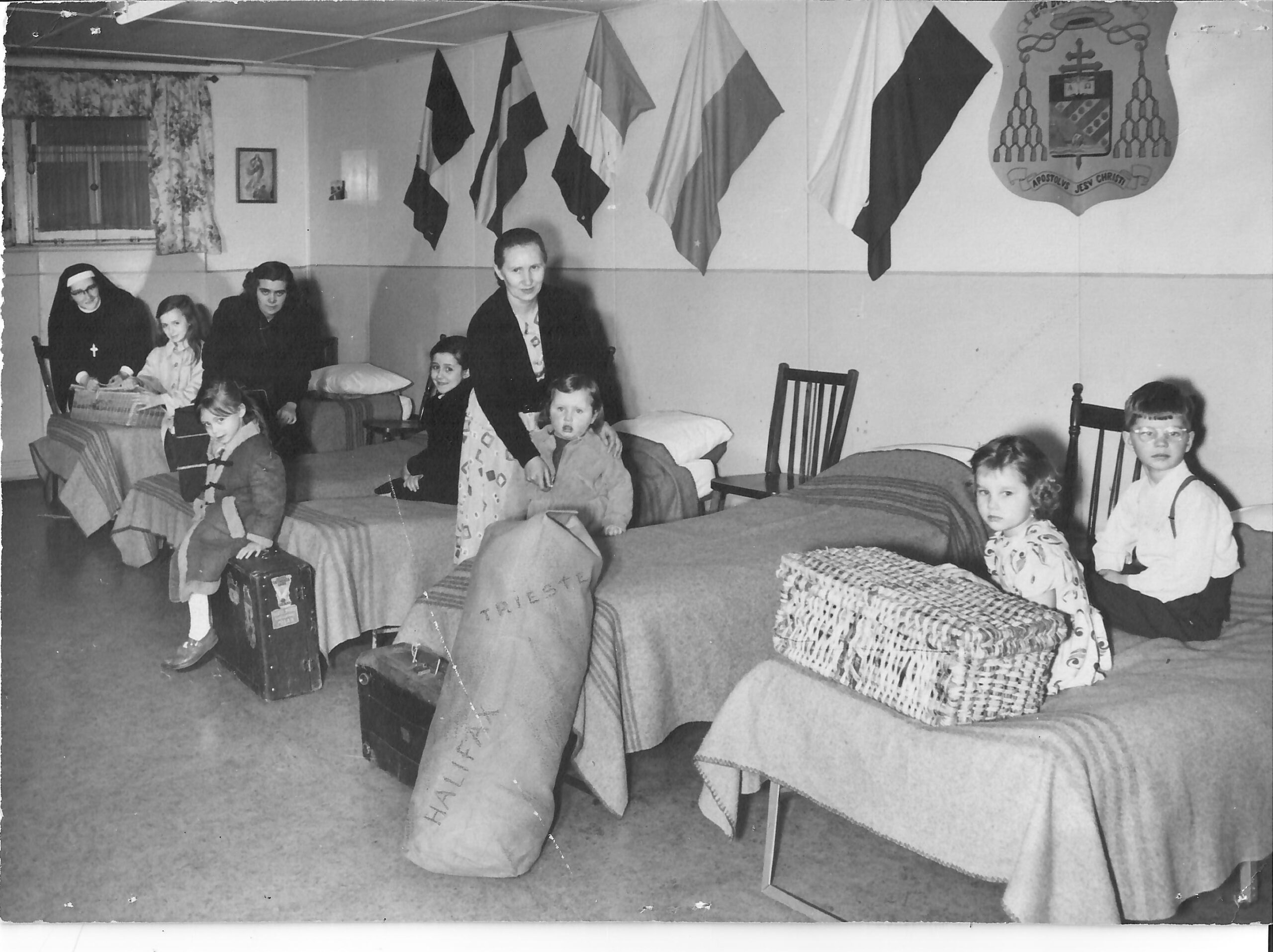
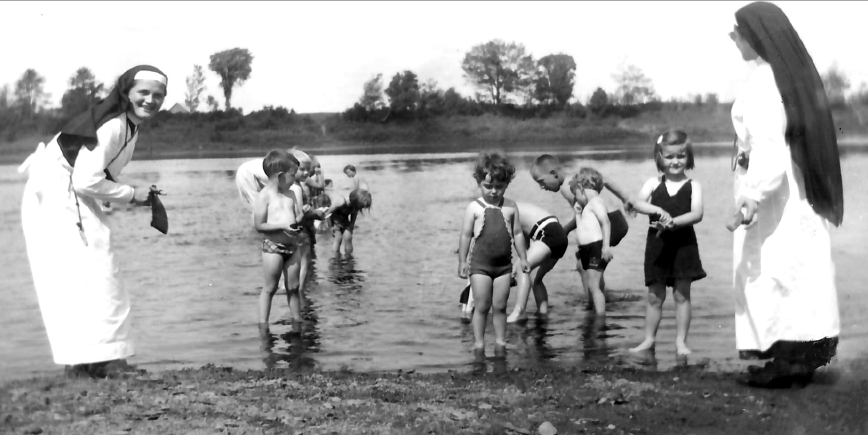
In their first house in Westmount, the Sisters opened a window onto Canada. They welcomed brave young women who had left their rural homes behind, hearts full of hope and suitcases light, in search of work in Greater Montréal. Practical courses, languages, social education—each effort laid the groundwork for a mission that would only continue to grow.
The Call of History – 1947
In September 1947, the world was still scarred by the Second World War. Thousands of people, deported to German labour camps, waited for a helping hand. Canada pledged to welcome 10,000 displaced persons, and Marie Gérin-Lajoie answered the call without hesitation. At 42 Western Street in Montréal, a house opened its doors. The Centre social d’aide aux immigrants was officially born. Its mission? To welcome newcomers, to listen to them, and to walk beside them on their journey of integration.
One October morning in 1947, the first train pulled into Montréal station. On the platform, Sister Marie Loyola Normandin stepped out from the crowd with kindness, determination, and faith. She would be the beating heart of this refuge-home until 1956, welcoming the very first group of Eastern European refugees to set foot on Montréal soil.
Within these walls, the CSAI did more than provide a service. It offered an anchor — a place to catch one’s breath, set down one’s suitcase, and begin the long work of rebuilding a life.
Traditions that Nourish the Soul
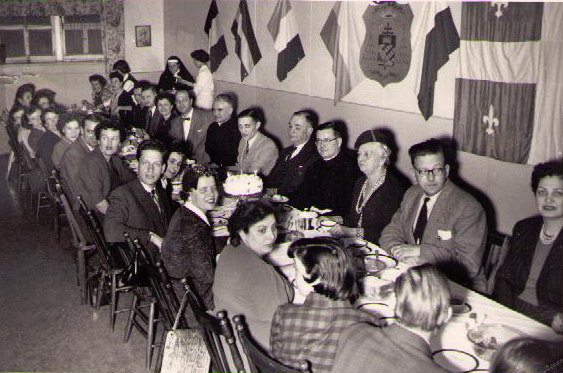
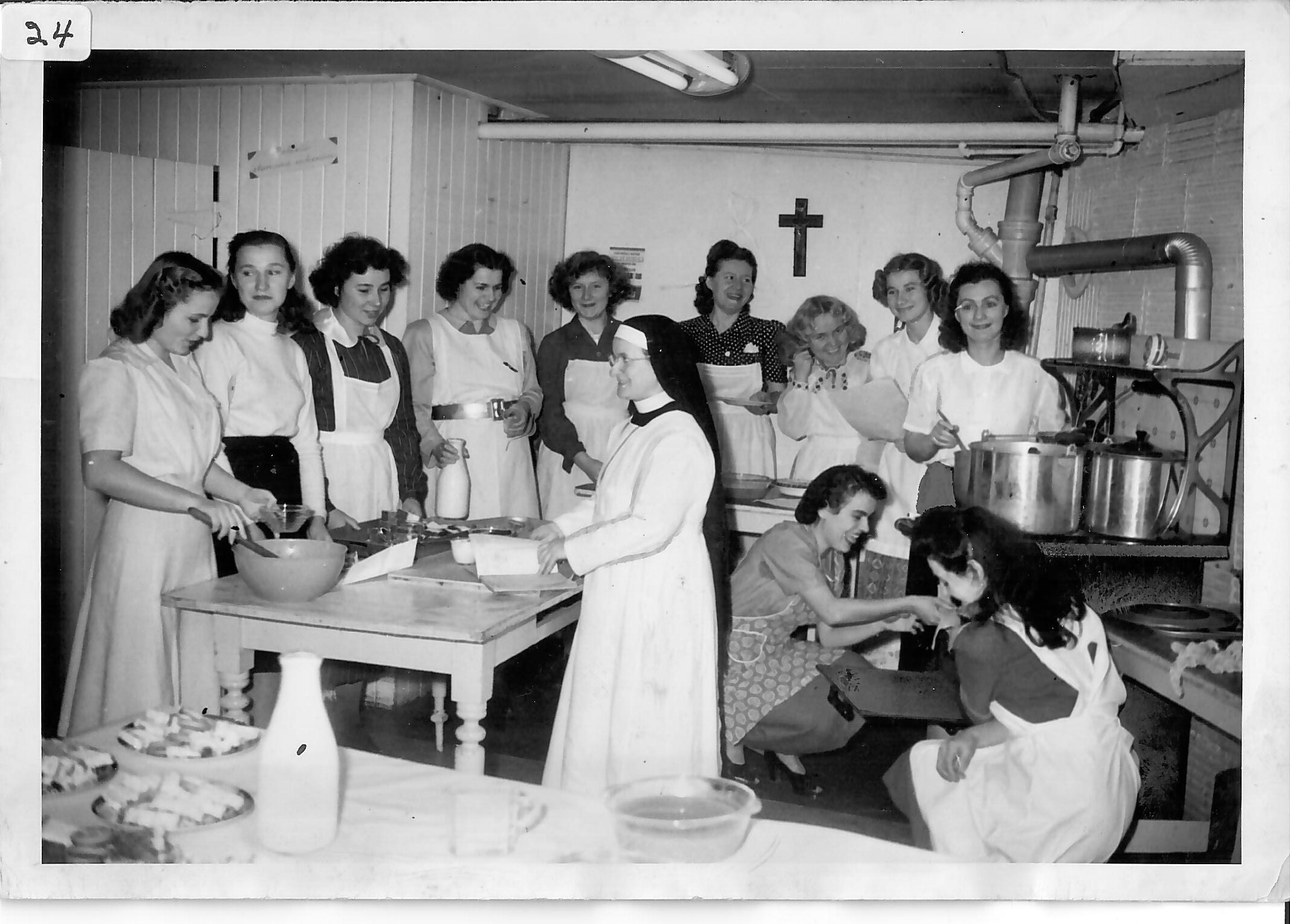
Inspired by the momentum of Sister Marie Loyola, a simple yet powerful idea began to take root: to host a dinner every Thursday evening. What started as a small gathering of young refugees quickly grew into the Jeudis du CSAI (Thursdays at the CSAI), a tradition that would endure for nearly 30 years.
Thursday nights at the CSAI were more than shared meals: they were a living community, a bond that helped newcomers learn how to feel at home in a new country. Between 1947 and 1954, close to 8,000 meals were served, weaving invisible but unbreakable ties.
The Numbers of Hope
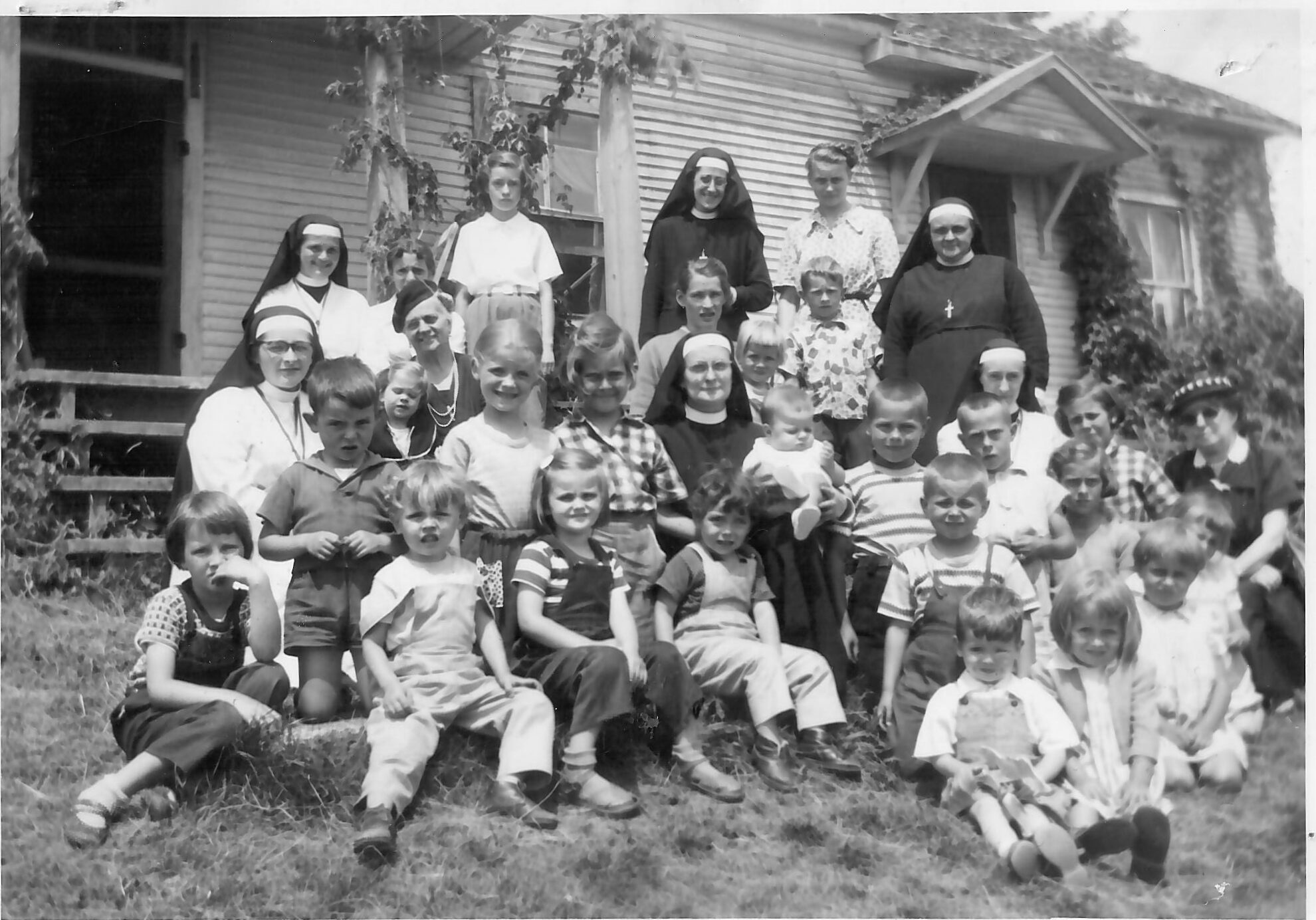
Statistics tell a deeply human story. In 1948, 1,040 people walked through the doors of the CSAI. Five years later, that number had doubled: 2,193 people welcomed, representing 584 families with children. In September 1949, one particularly moving chapter unfolded: 150 Polish orphans found refuge at the Centre. Behind every number was a face, and behind every name, a story of resilience.
The Evolution of a Commitment
The CSAI grew alongside the times. In the 1950s, it bore witness to major political transformations: the creation of the Department of Citizenship and Immigration (1950), the abolition of racial discrimination in immigration law (1962), and Canada’s signing of the Geneva Convention on Refugees (1969).
The window widened, little by little: Eastern Europe, Asia, the Maghreb, the Middle East, Latin America, Haiti, sub-Saharan Africa. Each community brought with it culture, history, and richness. By the 1970s, the team itself had become multicultural and multilingual. By 1995, two-thirds of the staff had been born outside Canada, and services were offered in 16 different languages.
Honors that Pay Tribute
On February 18, 1954, in a modest yet deeply moving ceremony, the Polish government in exile awarded Sister Marie Loyola Normandin the Golden Cross of Merit. In 1984, the CSAI received the First Prize of Cultural Communities. In 1995, Denise Lainé was honoured with the Mérite des gens en mouvement from Caisses Desjardins.
Each recognition affirms a simple truth: the CSAI does not merely follow history; it helps to shape it.
Visionary Leadership
From its very beginning, the CSAI reached beyond individual assistance to embrace a far more ambitious project: transforming the same social structures at the root of injustice. The Centre played a central role in creating ethnocultural associations, defended the rights of domestic workers, and helped found the Table de concertation des organismes de Montréal au service des réfugiés in 1980.
Passing the Torch – 2003
In 2003, a new chapter began. The Sisters of the Institut Notre-Dame du Bon-Conseil — those visionary pioneers, entrusted the work of their lives to new hands. From Marie Gérin-Lajoie to Lorette Langlais, the last Sister to lead the CSAI (1992–2005), they left behind an indelible legacy.
Today and Tomorrow
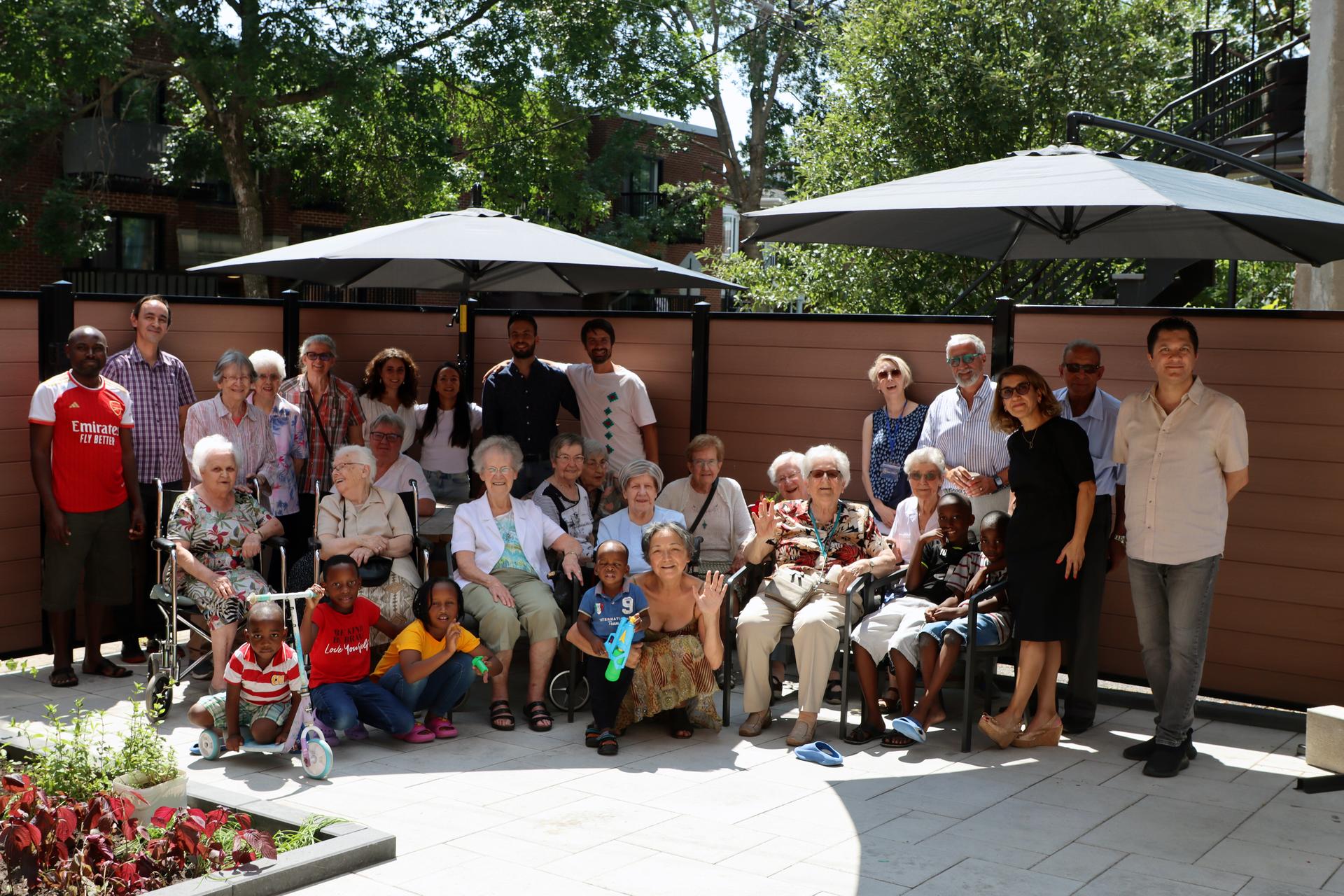
Since 1947, the promise has remained constant: whether they arrive on crowded trains, fragile boats, or overloaded planes, a hand is always extended to refugees. Crises pass, faces change, but our commitment endures.
Solidarity, determination, humanity—yesterday as today—these values define us. As Marie Gérin-Lajoie said with wisdom that transcends decades: “We must not stop believing in future blossoms, simply because in the first spring the bud still resists the warmth of the sun.”
The CSAI continues to make history, one welcome at a time, one life rebuilt at a time. Built on solid foundations and unshakable principles, we remain faithful to our original mission: to offer dignity and hospitality to all those seeking a new beginning.
Stay informed, our newsletter
is designed for you!
Get updates from the Centre CSAI, inspiring testimonials, activity ideas, useful resources, and upcoming events delivered by email.